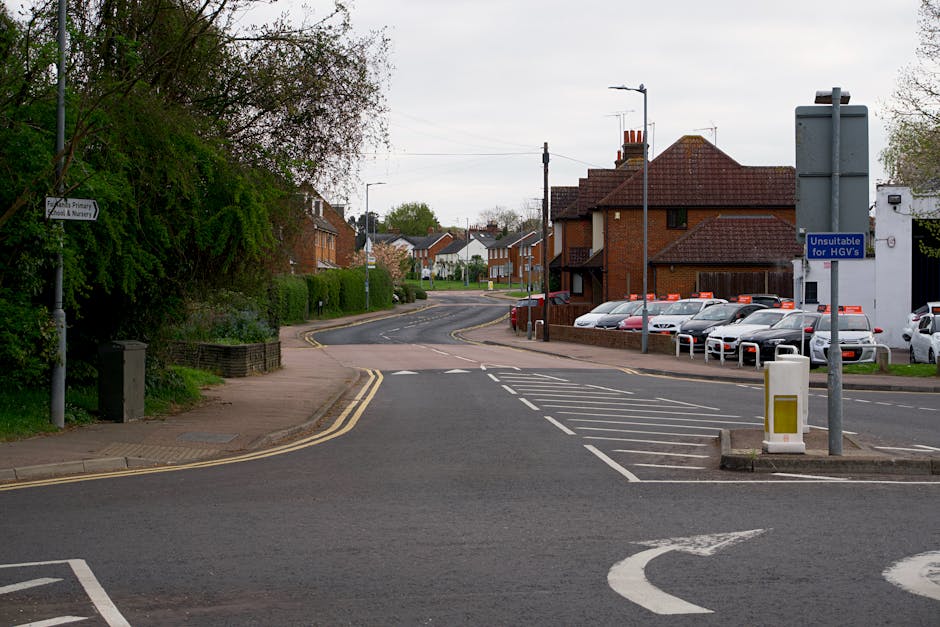
Removals permits and parking zones in Northwood areas
If you are planning a move in Northwood, parking is often the part that causes the most stress. Not the boxes, not the sofa that will not fit through the hall, but the simple question of where the van can stop. Removals permits and parking zones in Northwood areas can make the difference between a move that feels calm and one that turns into a frustrating, stop-start shuffle with extra walking, delays, and awkward conversations with neighbours.
This guide breaks the topic down in plain English. You will learn why parking controls matter, how removals permits and parking zones in Northwood areas usually affect moving day, what to check before the crew arrives, and how to avoid the common mistakes that trip people up. If you are moving from a flat, a family home, or a small business premises, a bit of planning goes a long way.
Truth be told, parking is one of those details people think about too late. Then the van arrives, the street is tight, and everyone suddenly becomes an expert in kerb space. Let's make it easier.
Table of Contents
- Why Removals permits and parking zones in Northwood areas matters
- How Removals permits and parking zones in Northwood areas works
- Key benefits and practical advantages
- Who this is for and when it makes sense
- Step-by-step guidance
- Expert tips for better results
- Common mistakes to avoid
- Tools, resources and recommendations
- Law, compliance, standards, or best practice
- Options, methods, or comparison table
- Case study or real-world example
- Practical checklist
- Conclusion
- Frequently asked questions
Why Removals permits and parking zones in Northwood areas Matters
Parking controls affect almost every stage of a move. A removal van may need space directly outside the property, close enough to keep loading safe and efficient. If that space is taken, restricted, or too far away, your move becomes slower and more physically demanding. It may also increase risk to furniture, walls, and stairwells, especially in Northwood flats or homes with narrow access.
In practical terms, removals permits and parking zones in Northwood areas matter because they shape the whole moving plan. A permit can help secure a legal stopping point. Parking zones can limit how long a vehicle can stay, whether loading is allowed, and whether suspensions or exemptions are needed. Even if the move itself is straightforward, the street layout may not be. That is often where the real challenge lies.
We see this most often in busier residential roads, near shared drives, or in places where parking is already tight before breakfast. A moving crew can work efficiently only if the vehicle can be positioned sensibly. Otherwise, the team ends up doing more lifting, more walking, and more waiting. Nobody enjoys that. Not really.
Expert summary: If your move depends on a van stopping close to the entrance, treat parking as a core part of the move plan, not a last-minute admin task.
How Removals permits and parking zones in Northwood areas Works
The exact rules can vary by street, borough, and road markings, so it is always worth checking the location properly before moving day. In general, though, removals permits and parking zones in Northwood areas usually involve three things: where a vehicle may stop, for how long, and whether any special permission is needed to use a bay or suspend parking.
Some streets are simple: there may be unrestricted parking, with a sensible amount of space for a van to load. Others are more complicated, with resident permit bays, pay-and-display bays, single yellow lines, controlled hours, or time-limited waiting restrictions. For a removal, the key question is not just "Can we park?" but "Can we park for long enough to complete the job safely?"
If a permit is required, it may need to be arranged in advance. In some cases, the moving team or customer handles this. In others, the company helps guide the process as part of the booking. That is why it helps to talk about access early, ideally when you are getting your moving plan together. A little forethought at this stage can save a surprisingly large amount of faff later.
You should also think about access from the vehicle to the property. Even if the van is legally parked a short way down the street, a long carry can slow everything down and increase the chance of knocks and scuffs. For man and van jobs especially, the parking position often shapes the day more than people realise.
Key Benefits and Practical Advantages
Getting parking and permit planning right is not just about avoiding penalties. It improves the whole move in a few very real ways.
- Faster loading and unloading: The closer the van can get, the less time is spent carrying boxes and furniture.
- Lower risk of damage: Shorter travel distances mean fewer opportunities to bump walls, doors, or stair rails.
- Less stress on move day: When the parking plan is sorted, the team can focus on the move itself.
- Better use of labour: Movers are not wasting time walking back and forth from a distant bay.
- Improved timing: This matters a lot if you have a completion slot, building access window, or a strict handover time.
There is also a quieter benefit: confidence. Knowing the parking arrangement is covered helps everyone settle into the day. The boxes are labelled, the kettle is packed away somewhere mysterious, and at least one thing is under control. That counts for a lot.
For more involved moves, especially those involving multiple rooms or bulky items, good access planning can also support other parts of the service. If you are arranging packing and boxes, furniture removals, or a full house removals service, parking is part of the wider logistics picture.
Who This Is For and When It Makes Sense
This topic matters to far more people than first-time movers alone. In Northwood, parking restrictions can affect:
- families moving out of terraced or semi-detached homes
- flat residents with shared access or communal parking
- students moving between term-time accommodation and home
- small businesses changing office space
- people collecting or delivering large furniture items
- anyone using a larger moving vehicle that needs longer loading time
It makes sense to look at removals permits and parking zones in Northwood areas whenever the van may need to stop on a public road, especially if the street is narrow or regularly busy. It also matters if the building has access limitations, such as a shared driveway, a gated entrance, or a long walk from the parking point to the front door.
If you are arranging a flat move, the issue can be even more noticeable. Flats often involve tighter parking, stair access, and time pressure from neighbours or building managers. A well-organised flat removals plan is much easier when the parking side is already thought through.
For commercial moves, the need is slightly different. The challenge is often less about one van and more about keeping business disruption low. If that sounds familiar, take a look at commercial moves and office removals options as part of your planning.
Step-by-Step Guidance
Here is a simple, sensible way to approach removals permits and parking zones in Northwood areas without overcomplicating things.
- Check the address carefully. Confirm the exact pickup and delivery locations, not just the postcode. One side street can have very different restrictions from the next.
- Look at the road layout. Is there room for a van to stop safely? Is there a corner, bus stop, or narrow bend nearby? These details matter more than people think.
- Identify restrictions. Note resident bays, yellow lines, loading limits, and any time-based controls. If signs are confusing, assume nothing.
- Decide whether a permit is needed. Some locations may require advance permission or bay suspension. Allow time for this because last-minute requests can be stressful.
- Match the vehicle to the street. A smaller removal van may be easier on tight roads than a larger lorry, especially if access is limited.
- Build in a time buffer. If the move is scheduled for early morning or around school run traffic, leave space for delays. Always leave space.
- Tell everyone involved. The removals team, the customer, and any building contact should all know the parking plan. That way, nobody is guessing on the day.
- Have a backup option. If the chosen spot is blocked by another vehicle, know the nearest alternative before the van arrives.
If you are also using storage between moves, parking arrangements at both ends can matter. A short, tidy transfer from the van into storage is much easier when the loading point is well planned.
Expert Tips for Better Results
A few small habits make a surprisingly big difference.
First, check the street at the same time of day as your move if you can. A road that looks calm at 10 a.m. can feel completely different by 3 p.m. Outside schools, near high streets, or on commuter routes, that shift is noticeable.
Second, think in metres, not just in parking spaces. A van may technically fit in a bay, but still leave awkward tail access or block a crossover. You want enough space to open doors properly and work safely.
Third, communicate clearly with neighbours or building management if relevant. A quick heads-up can prevent confusion. Nobody likes coming downstairs to find a moving lorry where they expected a clear drive.
Fourth, keep the essentials separate. If the parking arrangement changes at the last moment, it helps to have the first-night box, paperwork, and keys close to hand. No one wants to be hunting for the kettle while the van is double-parked and the rain is starting. Small things, but they matter.
If you are hiring a professional team, a good provider should be used to working around local parking restrictions and access challenges. That is part of good removal planning, not a special extra. You can also review removal services and about us information to understand how a company approaches service, safety, and customer care.
Common Mistakes to Avoid
Most parking-related moving problems are preventable. The tricky bit is that they usually feel minor right up until they cause a delay.
- Leaving permit checks until the day before. That is the classic one. By then, there may be no time left to fix anything.
- Assuming loading is allowed because parking is otherwise quiet. Quiet does not mean legal.
- Forgetting about the delivery address. People often focus on the move-out side and ignore the move-in side completely.
- Using the wrong vehicle size. A huge truck is not always the best answer. Sometimes a smaller vehicle and a better access plan is smarter.
- Not warning the removals company about restrictions. The more specific you are, the better the plan.
- Ignoring walking distance. A long carry adds time, physical strain, and risk.
- Assuming one permit covers everything. Different streets or different times of day may have different rules.
There is also a subtle mistake people make: they treat parking as a problem for the driver only. In reality, it affects the whole move chain. Packing, loading, access, and timing are all connected. It is one of those domino effects.
Tools, Resources and Recommendations
You do not need a pile of complicated tools to get this right. A phone, a notes app, and a careful eye are often enough. Still, a few practical resources make life easier.
- Street photos or screenshots: Useful for showing the removals team exactly what the access looks like.
- Written parking notes: Keep signs, bay markings, time restrictions, and access instructions in one place.
- Floor plans: Handy for large items, tight turns, and lift access, especially in flats.
- Booking details: Confirm arrival times, estimated loading time, and any building rules in advance.
- Company policy pages: For example, health and safety policy, insurance and safety, and terms and conditions help set clear expectations before the move.
For people comparing service levels, it can also help to look at pricing and quotes. Transparent pricing is useful when parking complexity may affect the time needed for the job. And if sustainability matters to you, recycling and sustainability is a useful page to review when clearing unwanted items or planning a responsible move.
If you are moving smaller loads or just a few items, a flexible option like man with van or man with a van may be easier to fit into tighter parking conditions than a larger vehicle. Not always, but often enough to matter.
Law, Compliance, Standards, or Best Practice
Parking controls are not just a convenience issue; they are a compliance issue. In the UK, local road restrictions, permit rules, loading permissions, and any temporary suspensions need to be respected. Exact requirements can differ by borough and street, so the safest approach is to verify the location rather than rely on assumptions or old information.
Best practice for removals permits and parking zones in Northwood areas usually includes:
- checking the address and road markings in advance
- making sure the vehicle is legally allowed to stop there
- keeping enough time in the plan for loading and unloading
- sharing access notes with the removal team
- respecting neighbours, pedestrians, and local traffic flow
If a move is taking place in a shared residential area, good practice also means keeping entrances clear where possible and avoiding unnecessary obstruction. That sounds obvious, but on a busy move day it is easy to forget. People get focused on the sofa, the mirror, the boxes, the tea. Fair enough.
For customers, this is also a trust issue. A company that talks clearly about access, safety, and moving conditions is usually easier to work with than one that brushes those points aside. It is worth paying attention to how a provider handles the details, not just the headline price.
Options, Methods, or Comparison Table
There is no single parking solution for every Northwood move. The best option depends on the street, vehicle size, building access, and how much you are moving. Here is a simple comparison that may help.
| Approach | Best for | Pros | Trade-offs |
|---|---|---|---|
| Standard street parking | Low-restriction roads with enough space | Simple, fast, low admin | Not always available; may be busy |
| Permit or bay arrangement | Controlled parking zones and permit bays | More reliable access close to the property | May require advance planning |
| Smaller vehicle | Narrow streets or awkward access | Easier to manoeuvre, often less stressful | May need more trips for larger moves |
| Long-carry plan from legal parking point | Restricted streets where the van cannot stop outside | Can still work if organised well | Slower, more effort, more handling |
For many customers, the smartest route is not the most dramatic one. It is the one that keeps the van legal, the loading safe, and the time realistic. Sometimes boring is beautiful. Especially on moving day.
Case Study or Real-World Example
Here is a realistic example based on the sort of move people often face in Northwood.
A family moving from a ground-floor home on a residential road assumed the van could park outside for as long as needed. On inspection, the road had limited waiting and neighbouring vehicles usually filled the available space by mid-morning. Rather than gamble on luck, the move was re-planned with clearer timing, a tighter arrival window, and a back-up parking point a short distance away.
Because the parking was thought through early, the loading went smoothly. Boxes were transferred in a steady rhythm, the large furniture came out without fuss, and there was no last-minute hunt for a legal stopping place. The move still had the usual human bits - one missing tape roll, a child insisting a toy dinosaur had to be "supervised" - but the access side was calm. That made all the difference.
The lesson is simple. Good parking planning does not remove every moving-day problem, but it removes a big one. And honestly, that is a win.
Practical Checklist
Use this quick checklist before your move:
- confirm the exact pickup and delivery addresses
- check whether the street is in a parking control zone
- read any signs near the property carefully
- note loading restrictions, time windows, and bay types
- decide if a permit or suspension is needed
- tell the removal team about any tight access or long carries
- choose a vehicle size that suits the road
- allow extra time for loading and unloading
- keep important items separate and easy to reach
- prepare a backup parking plan if the first choice is blocked
If you want the move to feel smoother from start to finish, it also helps to think about the wider service mix. Depending on your situation, home moves, student removals, or same day removals may fit better than a one-size-fits-all approach.
Get a free quote today and see how much you can save.
Conclusion
Removals permits and parking zones in Northwood areas are not glamorous, but they are absolutely central to a smooth move. When the parking plan is right, everything else tends to flow better: loading is faster, the team is less rushed, and the day feels more manageable. When it is wrong, even a simple move can become tiring and expensive in time.
The good news is that most problems can be avoided with early checks, clear communication, and a realistic view of the street you are moving on. If you treat access planning as part of the move itself, not a side issue, you are already ahead. And that little bit of calm on moving day? You will feel it immediately.
One steady step at a time, and the whole thing becomes much easier.
Frequently Asked Questions
Do I need a permit for removals in Northwood?
Sometimes, yes, but not always. It depends on the exact road, the parking restrictions in place, and how long the vehicle needs to stay. The safest approach is to check the address carefully rather than assume the van can stop outside.
What happens if the removal van cannot park near my property?
The move can still go ahead, but it may take longer and require more carrying. That extra distance can add strain and create delays, so it is better to plan an alternative parking spot before moving day.
Are parking zones the same across all Northwood streets?
No, they are not. One road may allow straightforward loading while another nearby road may have resident bays or time-based restrictions. Always check the specific street, not just the area name.
Can a smaller van help with parking problems?
Yes, in many cases it can. A smaller vehicle is easier to manoeuvre on narrow streets and may be more practical where space is tight. It does not solve every issue, but it often makes things simpler.
How far in advance should I sort parking for a move?
As early as possible. A few days may be enough for simple arrangements, but more complex parking or permit situations should be checked well before the moving date. Last-minute planning tends to feel rushed.
What should I tell the removals team about parking?
Give them the exact address, any parking restrictions, the nearest safe stopping point, and whether access involves steps, a narrow entrance, or a long carry. The more precise you are, the better they can plan.
Does parking affect the price of a removal?
It can, because awkward access, long carry distances, or extra time on site may affect the job length. That is why clear quotes and honest access details matter. For more about this, the pricing and quotes page is useful.
What if my building has shared parking?
Shared parking can work well if everyone knows the plan, but it also means you need to be more careful about space, timing, and permissions. A short conversation with building management or neighbours can save a lot of trouble.
Is loading on a yellow line allowed during a move?
It may be allowed in some places under certain conditions, but it depends on the local restrictions and signage. Do not rely on guesswork. Check the rules for the exact location and time of day.
How can I make a flat move easier in a parking-restricted street?
Plan the parking first, then time the loading carefully. Use the right vehicle size, keep the essentials close, and make sure the removals team knows about lifts, stairs, or any awkward access. A good flat removals plan makes a big difference.
What should I do if the parking situation changes on the day?
Have a backup plan. If your first parking choice is blocked or unavailable, move quickly to the next best legal option and keep the removals team informed. A calm fallback plan is worth its weight in tea bags.
Where can I learn more about the company's approach to safety and service?
You can review the company's health and safety policy, insurance and safety information, and about us page for a clearer picture of how they work.