Organize Your Move: The Ultimate Packing Guide
Introduction: Moving Doesn't Have to Be Stressful
Moving homes can be one of life's most exciting milestones, but without a solid strategy, it can quickly turn into a logistical nightmare. Whether you're moving around the corner or across state lines, organizing your move with a structured packing approach is paramount for a smooth transition. In this article, you'll find a comprehensive packing guide packed with practical advice, a step-by-step checklist, and expert tips for an efficient relocation. Use these moving organization strategies to save time, protect your belongings, and ensure a stress-free moving experience.
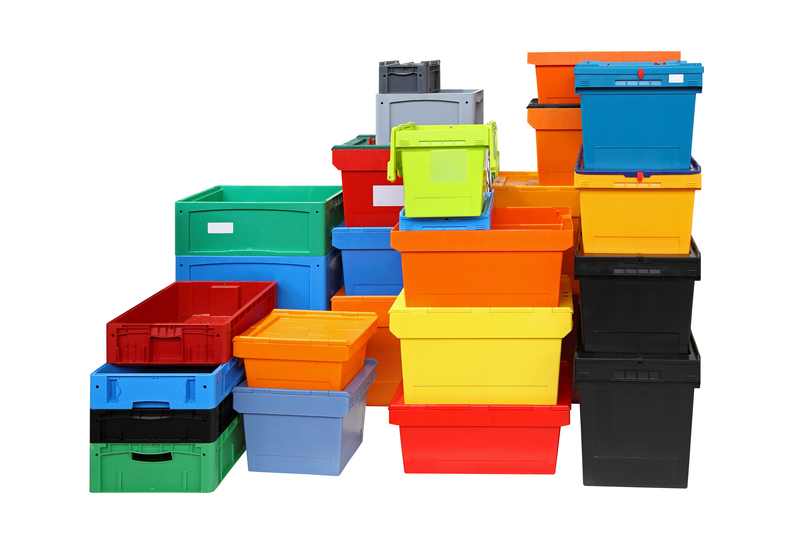
Why Proper Packing Matters
Proper packing doesn't just facilitate a smooth move; it also safeguards your possessions and cuts down on time spent unpacking at your new home. Efficient packing methods prevent damage and loss, alleviate stress, and significantly ease the daunting process of relocation. By mastering the art of packing for a move, you lay the groundwork for a seamless transition, regardless of how far you're going.
Pre-Packing Preparation: Getting Ready for the Big Day
1. Declutter Before You Pack
Before you even touch a cardboard box, take a strategic approach: declutter your home. Donate, sell, or dispose of items you no longer need to lighten your load. Not only does this minimize what you need to pack, but it also reduces moving costs and clutter in your new space.
- Sort items room-by-room to avoid feeling overwhelmed.
- Use four categories: Keep, Donate, Sell, and Discard.
- Host a garage sale or sell valuables online.
- Take unnecessary items to donation centers or schedule a pickup.
2. Gather Your Packing Supplies
An organized move starts with the right resources. Stock up on essential packing materials before beginning:
- Sturdy boxes (small, medium, large, and specialty sizes for wardrobe, mirrors, or dishes)
- Quality packing tape and dispensers
- Bubble wrap, packing paper, and foam sheets for delicate items
- Permanent markers or color-coded labels for easy identification
- Zip-top bags for small parts or hardware
- Scissors or utility knives
- Moving blankets and stretch wrap for large furniture
Remember: Investing in good supplies can make the difference between intact and broken belongings!
3. Create a Moving & Packing Timeline
Procrastination is your worst enemy when organizing a move. Develop a realistic packing schedule--ideally 4-8 weeks out from your moving day. Spreading out packing prevents last-minute chaos and ensures nothing is overlooked.
- Eight weeks out: Book your moving company or reserve a truck rental.
- Six weeks out: Start gathering packing supplies and decluttering.
- Four weeks out: Begin packing non-essentials, such as seasonal items and seldom-used rooms.
- Two weeks out: Pack kitchenware, decorations, and most clothes.
- One week out: Pack the remaining essentials and prepare your "open first" box.
The Ultimate Packing Guide: Room-by-Room Strategy
To organize your move effectively, it's smart to pack one room at a time. Here's an in-depth look at how to tackle each space:
1. Bedroom Packing Tips
- Start with off-season clothing and rarely used bedding.
- Use wardrobe boxes for hanging clothes--no need to remove hangers.
- Pack non-essentials first; keep daily wear accessible until just before moving.
- Fold and stack clothes efficiently to maximize box space.
- Label boxes with contents and the destination room.
2. How to Pack Your Kitchen
The kitchen is one of the trickiest rooms due to the abundance of fragile items and odd-shaped gadgets. Use these kitchen packing hacks:
- Wrap dishes with packing paper and stack them vertically in boxes.
- Use cocktail napkins or linens to cushion fragile glassware or plates.
- Disassemble small appliances and wrap components separately.
- Pack silverware in trays, secure with plastic wrap, and avoid mixing with other items.
- Label boxes "Fragile" and seal with extra tape for additional protection.
3. Living Room Packing Strategy
- Disassemble large furniture like tables and shelves to save space.
- Use stretch wrap and moving blankets to safeguard furniture against scratches.
- Organize electronics: Remove batteries, manage cables with zip ties, and pack components together in a labeled bag.
- Transport valuable artwork and mirrors in specialty boxes with plenty of padding.
- For books and DVDs, opt for smaller boxes to keep them manageable in weight.
4. Packing the Bathroom
- Dispose of expired products and nearly-empty bottles.
- Seal toiletries in zip-top bags to prevent leaks.
- Wrap fragile items like perfume bottles in bubble wrap.
- Pack towels and linens to cushion fragile ornaments and appliances.
Tip: Pack a separate bag with essential medications and hygiene products for easy access on moving day.
5. Home Office and Utility Rooms
- Photograph cable setups for easy reassembly later.
- Back up computers and electronics before packing.
- Pack documents and important paperwork in a fireproof, waterproof container.
- Keep office supplies together in labeled boxes for simplified setup in your new home.
Packing Best Practices for a Successful Move
Label EVERYTHING
Detailed labels are crucial. Include both the contents and the room the box belongs to. Consider color-coded labels for each room to accelerate the unpacking process.
Pack Heavy Items Low and Light Items High
When loading boxes and the moving truck, always put heavy boxes on the bottom and lighter ones on top. This prevents crushing and maintains balance during transport.
Keep Valuable and Sentimental Items Separate
Items like jewelry, important documents, and family heirlooms should always be packed separately and transported with you.
Never leave valuables in the moving truck.
Don't Overpack Boxes
Avoid the temptation to overfill large boxes. For organized moving, distribute weight evenly and ensure every box can be comfortably carried. The ideal maximum weight is about 50 pounds per box.
Essential Packing Checklist
- Boxes of various sizes
- Packing tape and dispensers
- Permanent markers/labels (color-coded, if possible)
- Bubble wrap, packing peanuts, and paper
- Plastic zip-top bags for small parts and hardware
- Scissors, utility knives, screwdriver set
- Stretch wrap and moving blankets
- Furniture sliders
- Gloves and basic cleaning supplies
- "Open first" box with essentials (toiletries, snacks, chargers, basic utensils)
Packing Tips for Unique Situations
1. Moving with Kids or Pets
- Pack favorite toys or comfort items separately for easy access.
- Create a quiet, safe space for pets on moving day, away from chaos.
- Set aside snacks, games, or entertainment for children during the move.
2. Last-Minute Moves
- Use clothing and towels as makeshift wrapping for fragile items.
- Prioritize essentials--pack a suitcase as you would for a trip.
- Don't stress about perfect organization; focus on getting everything safely boxed.
Common Packing Mistakes to Avoid
- Waiting too long to start packing: Begin early to remain in control.
- Ignoring proper labeling: Leads to confusion and delays when unpacking.
- Using low-quality materials: Increases breakage risk.
- Overloading boxes: Makes transportation cumbersome and boxes prone to breaking.
- Neglecting to pack an "open first" box: Leaves you scrambling for basics your first night.
- Forgetting to take inventory: Makes keeping track of your items more difficult.
Unpacking: Setting Up Your New Home
Unpacking can feel just as daunting as packing, but a plan helps. Begin with essentials, then proceed room by room:
- Set up bedrooms and bathrooms first so everyone has a place to relax and clean up.
- Assemble furniture and arrange frequently-used spaces like the living room and kitchen next.
- Dispose of packing materials responsibly; recycle boxes and packing paper where possible.
- Take your time settling in--there's no rush to finish unpacking every box in a day!
Smart Packing: Advanced Tips and Tricks
- Photograph complex setups (electronics, decor arrangements) for reference at your new home.
- Keep hardware (screws, bolts) in labeled bags taped to the relevant furniture.
- Use small boxes for heavy items like books to avoid excessive weight.
- Pack similar items together for simplified unpacking.
- Use suitcases with wheels for heavy tools, books, or electronics.
- Keep cleaning supplies last and at the top for easy access upon arrival.

Frequently Asked Questions: Organizing Your Move & Packing
Q: When should I start packing for my move?
A: Begin packing non-essentials 4-6 weeks before your move, gradually working your way to daily-use items as moving day approaches.
Q: What is the best way to keep my move organized?
A: Create a moving checklist, pack room by room, label boxes clearly, and keep an inventory to track all items.
Q: How can I make unpacking easier?
A: Pack smart--use color-coded labels, keep similar items together, and start unpacking essential rooms first.
Q: What should I pack in my "open first" box?
A: Include toiletries, a change of clothes, important documents, chargers, bedding, snacks, and any necessary medication.
Conclusion: Move with Confidence!
Relocating doesn't have to be disorganized or overwhelming. By following this ultimate moving and packing guide, you can eradicate chaos, protect your valuables, and enjoy the adventure of settling into a new home. Remember, the secret to a seamless move is organization, preparation, and staying proactive from the first box to the last.
Ready to take on your next move? Use this detailed guide to organize your packing and navigate the moving process with confidence, efficiency, and peace of mind. Happy moving!