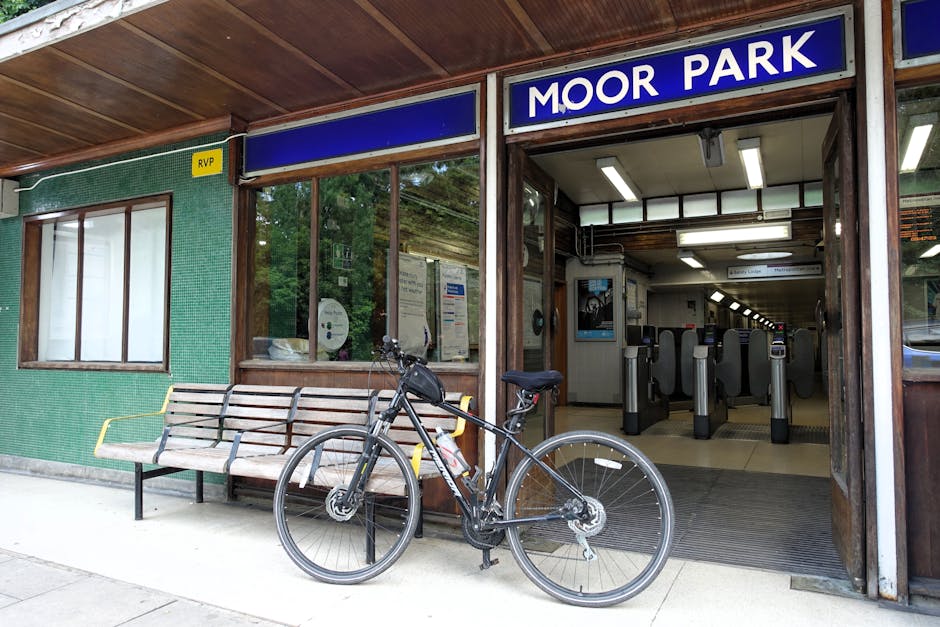
Northwood Tube Station Removals Parking and Timing Advice
If you are moving near Northwood tube station, a little planning goes a long way. The difference between a calm move and a stressful one is often as simple as where the van can stop, how long loading takes, and whether you have thought through the timing properly. That sounds obvious, but in the middle of moving day, obvious things get missed.
This guide brings together practical Northwood tube station removals parking and timing advice for anyone moving a flat, house, office, or a few bulky items nearby. It covers how to plan the van stop, what to check before moving day, how to avoid parking headaches, and how to choose a time that keeps the whole job moving. If you want the wider moving picture too, you may also find the Northwood removals service overview useful, along with the page on flexible delivery timing.
Truth be told, most moving delays are not caused by heavy furniture. They come from the small things: a blocked road, a van that cannot wait where you expected, or a lift that is out of action just when you need it. The good news? Those are all manageable with the right plan.
Table of Contents
- Why Northwood tube station removals parking and timing advice Matters
- How Northwood tube station removals parking and timing advice Works
- Key Benefits and Practical Advantages
- Who This Is For and When It Makes Sense
- Step-by-Step Guidance
- Expert Tips for Better Results
- Common Mistakes to Avoid
- Tools, Resources and Recommendations
- Law, Compliance, Standards, or Best Practice
- Options, Methods, or Comparison Table
- Case Study or Real-World Example
- Practical Checklist
- Conclusion
- Frequently Asked Questions
Why Northwood tube station removals parking and timing advice Matters
Moving around a tube station area adds a few extra layers of complexity. Northwood is not a freight depot, after all. It is a live residential and commuter area, which means traffic flow, limited stopping space, and peak-time activity can all affect your move in a very real way.
Good parking and timing advice matters because removals are easiest when the van can get close to the property, stay there legally, and leave without blocking other road users. If the vehicle ends up too far away, everything takes longer. That means more carrying, more chance of damage, and more pressure on the day. Not ideal.
It also matters because people often underestimate how much timing affects the mood of the whole move. A morning start can feel bright and efficient. A late start, with the school run, commuter traffic, and a parking shuffle, can feel like trying to do a jigsaw in the rain. Small frustrations add up fast.
For anyone comparing moving options, timing and access often influence whether a standard van job is enough, or whether a more tailored service makes sense. If you are weighing up service types, the man and van Northwood page and the broader services overview can help you match the job to the vehicle and crew size.
Key point: near a station, removal success is rarely about strength alone. It is about access, timing, and making the route from door to van as short and smooth as possible.
How Northwood tube station removals parking and timing advice Works
The basic idea is simple: plan where the removal vehicle will stop, when it will stop there, and how long the loading or unloading phase is likely to take. That means looking beyond just the property itself and thinking about the street layout, local traffic patterns, and any restrictions that may apply on the day.
In practical terms, the process usually works like this:
- Check the address and the road outside the property.
- Identify possible loading or waiting areas near the station.
- Estimate how long your items will take to move from inside to the van.
- Choose a start time that avoids the busiest local traffic periods where possible.
- Keep the plan flexible enough to adapt if parking is tighter than expected.
That flexibility is important. Tube station areas can be busy in short bursts and quiet in between. One minute the road feels clear, the next minute a delivery lorry, a school vehicle, or a commuter car appears and narrows the options. To be fair, that is just city life.
Most professional movers will also think about access inside the building. Is there a lift? Are there stairs? Is there a shared entrance that needs to stay clear? If you are moving a flat, it is worth reading the flat removals Northwood page for a better sense of how apartment moves are planned. For full-property jobs, house removals in Northwood can give you another useful reference point.
When timing is done well, the move feels almost boring. And boring is good. Boring means smooth, predictable, and not much drama.
Key Benefits and Practical Advantages
The biggest benefit of planning parking and timing properly is simple: less wasted time. But there is more to it than that.
- Shorter carrying distances: the closer the van is to the door, the easier and safer the move becomes.
- Lower risk of damage: fewer trips across pavements, kerbs, and tight hallways means fewer chances to knock furniture or snag walls.
- Better crew efficiency: movers can keep a steady rhythm rather than stopping and restarting because of access issues.
- Less stress for you: you are not watching the clock and wondering whether the van will be moved on.
- More realistic scheduling: you can build the day around actual loading time, not best-case guesses.
A properly timed move can also make the difference between a single-trip removal and one that drifts into the afternoon. That matters if you are coordinating keys, handovers, cleaners, or a same-day arrival elsewhere. If you need speed and flexibility, it may be worth looking at same-day removals and the service note on delivery at the best time for you.
There is also a quieter benefit that gets overlooked: confidence. Once the parking plan is sorted, the rest of the job tends to settle. People make better decisions when they are not half-distracted by whether the van is in the right place.
Who This Is For and When It Makes Sense
This advice is useful for more people than you might think. It is not only for large house moves. In fact, some of the trickiest parking and timing problems happen on smaller jobs, because people assume they will be quick and therefore do not plan enough.
This section is especially relevant if you are:
- moving from a flat near Northwood tube station
- moving into a house on a narrow residential road
- relocating a student room with boxes, a desk, and a bed frame
- moving office items that need a quick loading window
- transporting one or two large items, such as a sofa or mattress
- arranging a move at short notice
If that sounds like you, the practical advice in student removals Northwood may be especially handy, even if you are not a student. It shows how smaller moves still benefit from a proper plan. The same goes for furniture removals in Northwood, which often look simple on paper and then turn out to be slightly more fiddly in real life.
It also makes sense if you are trying to fit a move around work, family commitments, or a hard key handover. That is where timing advice becomes more than convenience. It becomes the difference between a workable day and a chaotic one.
Step-by-Step Guidance
Here is a practical way to approach removals parking and timing near Northwood tube station. Nothing fancy. Just a clear sequence that keeps surprises down.
1. Walk the route before moving day if you can
If you live nearby, have a quick look at the street during the time of day you expect the move to happen. A road that feels quiet at 10 a.m. may be completely different at 8:30. Notice curb space, corners, dropped kerbs, and anywhere a van might reasonably stop without causing hassle.
2. Measure the loading distance
How far is the front door from the nearest practical stopping point? Ten metres is manageable. Fifty metres is something else entirely. The distance influences how long the job will take and whether you need extra hands.
3. List the bulky or fragile items first
Make a note of the awkward pieces: wardrobes, mattresses, sofas, mirrors, freezers, pianos, or heavy boxed items. Those are the items that usually decide the pace. If you want guidance on awkward household pieces, the article on moving beds and mattresses safely is worth a look, as is the piece on expert piano moving.
4. Choose a start time that avoids local pressure points
Early starts often work well because the street is quieter and the day still has room to breathe. Mid-morning can also be fine, depending on the area. What you want to avoid, where possible, is arriving just as commuter movement, school traffic, or delivery activity starts building.
5. Decide what happens if the nearest space is taken
Have a fallback plan. Maybe the van waits briefly in a legal spot a little further away. Maybe one crew member scouts for a better position while the other starts moving boxes. Little backup decisions like this save a lot of wobble.
6. Pack and stage items so the load runs in a sensible order
Put heavy, awkward, or essential items where they can be loaded quickly. Keep boxes clearly labelled. If possible, have your packed items ready before the van arrives. There is a useful guide on packing your items and waiting for collection and a broader article on organising your move with a proper packing plan.
7. Keep the timeline realistic
Most people are too optimistic about loading time. It happens. We all look at a room and think, "that will only take twenty minutes," and then two trips later the clock says something else. Build in a buffer, especially if the move involves stairs, parking uncertainty, or multiple floors.
If you want a calmer approach overall, the article on achieving a calm and organised house move pairs nicely with this advice.
Expert Tips for Better Results
These are the little details that make a good move feel easier than it should.
- Use the earliest practical loading window. Not always the earliest possible time, but the first one that gives you a clear street and enough daylight.
- Keep essential items separate. Phone chargers, kettle, documents, keys, medication, and basic toiletries should not be buried in the van.
- Protect the route, not just the item. Door frames, hallway corners, and stair landings often need more attention than the furniture itself.
- Ask about waiting time and access support. If a vehicle cannot park directly outside, know in advance how the team will handle it.
- Do one last visual check before lifting. A quick glance at the ground, stairs, and doorway can prevent the stupid little accidents. We all hate those.
A practical local move often benefits from services that are built for flexibility. The man and a van Northwood page is useful if you are comparing lighter-load options, while removal van Northwood is a better fit if you need a more dedicated moving vehicle.
One more thing: label your boxes by room, but also by priority. "Kitchen - first day" is more useful than just "Kitchen". That tiny bit of structure saves time later, especially when the day has already been long.
Common Mistakes to Avoid
Most problems near station areas come from a handful of repeat mistakes. Once you know them, they are easier to dodge.
Assuming parking will sort itself out
This is the big one. A van cannot simply appear in a perfect spot because the moving schedule would like it to. If there is restricted waiting, narrow access, or busy traffic, the plan needs to reflect that.
Starting too late in the day
A late start sounds harmless until traffic builds, the street gets busier, and the whole move begins to run into handover deadlines. Early or mid-morning is usually easier to control.
Underestimating stairs and access
A top-floor flat with a narrow stairwell is not the same as a ground-floor move. Even a small job can stretch if every item has to be carried carefully through awkward access.
Packing without sorting the order of loading
If everything is boxed but nothing is staged, loading becomes a search mission. Not a disaster, just slower. And slower is what you are trying to avoid.
Forgetting about weather and surfaces
Rainy pavements, wet steps, and slippery thresholds all add time and risk. British weather, of course, likes to keep us humble.
If your move includes awkward or heavy pieces, some useful background reading includes heavy object lifting tips and kinetic lifting techniques. Those guides are not just for professionals; they help everyday movers understand why pacing matters.
Tools, Resources and Recommendations
You do not need specialist kit for every move, but a few tools and resources make a noticeable difference.
- Moving straps and gloves: helpful for grip and control on heavier items.
- Furniture blankets: good for protecting wood, upholstery, and painted finishes.
- Tape and labels: simple, boring, brilliant.
- Floor protection: especially useful in wet weather or on delicate flooring.
- Phone notes or a printed plan: keep your timing, contact details, and room list in one place.
For packing supplies, the packing and boxes Northwood page is a useful starting point. If you are not sure where to put items between moves, storage in Northwood can help bridge the gap. That can be especially useful if keys are delayed or you are moving in stages.
If your plan includes temporary storage, think about which items should stay accessible. A kettle, documents, and a couple of spare chargers are much more helpful than being packed somewhere in the back corner of the unit. You know how it goes.
Law, Compliance, Standards, or Best Practice
Parking near a tube station, even for removals, should always be handled with care. Local restrictions, yellow lines, time limits, access requirements, and resident bays may apply depending on the exact street. Rules can change, and they are not something to guess at.
The safest approach is straightforward: only stop where it is lawful and practical, and make sure your removal plan does not create avoidable obstruction. If a space is not suitable for a vehicle, do not force it. That can lead to delays, complaints, or worse, a ticket. Nobody needs that on moving day.
Professional moving practice also tends to include:
- clear communication about arrival windows
- careful handling of goods and property
- basic risk awareness around stairs, wet surfaces, and awkward access
- respect for neighbours, pedestrians, and shared spaces
If safety and responsibility matter to you, it is worth reviewing the company's insurance and safety information and their health and safety policy. For broader trust signals, terms and conditions and the privacy policy are also sensible pages to review before booking.
If you are making decisions about disposal or downsizing at the same time, the recycling and sustainability page is worth a look too. Moving often throws up the question of what to keep, what to donate, and what to recycle. Better to decide that early than on the doorstep.
Options, Methods, or Comparison Table
There is more than one way to handle a move near Northwood tube station. The right method depends on access, volume, urgency, and how much lifting you want to deal with yourself.
| Method | Best for | Strengths | Trade-offs |
|---|---|---|---|
| Self-managed move | Very small loads and flexible schedules | Lower direct cost, full control | More stress, more lifting, parking risks still on you |
| Man and van | Smaller homes, flats, furniture pieces | Flexible, efficient, often easier near tight streets | May need careful timing if access is limited |
| Full removals service | Larger homes, complex or multi-room moves | More support, better for awkward items and planning | Usually more coordination required in advance |
| Mixed approach with storage | Staggered handovers or uncertain dates | Reduces pressure when timings do not line up | Extra planning and possible storage handling |
For many people near the station, a man and van setup is the sweet spot. It is adaptable, quick to organise, and easier to fit around street conditions than a larger vehicle in a tight spot. But if you have a bigger volume or more fragile items, it may be smarter to look at a fuller service such as removal services in Northwood or removal companies in Northwood.
Case Study or Real-World Example
Here is a realistic example. A couple moving from a first-floor flat close to Northwood tube station had a fairly modest load: a sofa, a bed, two wardrobes, about twenty boxes, and a fridge freezer. On paper, it looked like a half-day job. Easy, right?
What made the difference was not the furniture. It was the planning. They packed the boxes by room, cleared the hallway the night before, and chose an early start so the van could arrive before the street got busier. They also checked in advance where the closest practical stopping point was likely to be, which meant the crew did not spend the first ten minutes circling the road.
There was still one small wrinkle. A neighbour had temporarily parked in one of the better spots, so the van had to use an alternative position a short distance away. Because the rest of the plan was solid, that did not derail the move. It just added a few extra minutes and a slightly longer carry. Annoying? Yes. Fatal to the schedule? Not at all.
The lesson is pretty clear: if you plan for the likely inconvenience rather than the perfect scenario, the whole day tends to feel calmer. And calmer moves are almost always better moves.
For moves involving specialist or large items, the same principle holds. If a freezer needs to be handled carefully, read how to keep a freezer in good condition when not in use. For sofas left in storage, the guide to long-term sofa storage is a practical companion piece.
Practical Checklist
Use this checklist to keep your Northwood station-area move on track.
- Confirm the moving date and target arrival window
- Check the exact property access and any stair or lift issues
- Identify the most practical van stopping point near the property
- Review local parking restrictions before the day
- Pack and label boxes by room and priority
- Prepare fragile and bulky items separately
- Clear hallways, doorways, and shared access points
- Keep keys, documents, chargers, and essentials with you
- Build a little extra time into the schedule
- Have a backup plan if the nearest parking space is unavailable
- Share the plan with everyone involved in the move
Expert summary: near Northwood tube station, the smoothest removals are usually the ones where the van access is assumed, not hoped for, and the timing is chosen to fit the street rather than fight it.
Conclusion
Good Northwood tube station removals parking and timing advice is really about reducing friction. If the vehicle can stop sensibly, the loading route is short, and the schedule gives you a bit of breathing room, the move becomes much easier to manage. That is true whether you are shifting a single sofa, a small flat, or a full household.
The strongest moves are rarely the most dramatic. They are the ones where the planning was quietly done in advance, the boxes were ready, and nobody had to guess what would happen next. Small detail, big difference.
If you are still shaping your move, explore the most relevant support pages, compare service options, and make sure you have the practical pieces in place before the day arrives. That little bit of preparation tends to pay you back in calm, and calm is worth quite a lot on moving day.
Get a free quote today and see how much you can save.
If you are ready to talk through access, parking, and timing for your move, the simplest next step is to get in touch with the Northwood team and share the details of your property. A clear conversation now can save a lot of faff later.
Frequently Asked Questions
What is the best time of day for removals near Northwood tube station?
Early morning is often the easiest because streets are usually quieter and parking is more manageable. That said, the best time depends on your property, the road layout, and whether you need to avoid school-run or commuter peaks.
Do I need a parking bay or permit for a removals van near the station?
Not always, but you should never assume stopping is fine without checking. Local restrictions can vary street by street, so it is smart to confirm what applies to your exact address before moving day.
How far in advance should I plan parking for a move in Northwood?
As soon as your move date is fixed, ideally. Even a simple move can benefit from early planning, especially in an area where road space may be tight or shared with commuters and local traffic.
What if the van cannot park right outside my property?
That is common, and it is usually manageable. The team may park a short distance away and carry items over, but that extra distance should be built into the time estimate so the schedule stays realistic.
Is a man and van service enough for a station-area move?
For many smaller or medium-sized moves, yes. It is often a good fit when access is tight and flexibility matters. If you have a larger household or specialist items, a fuller removals service may be better.
How can I make loading quicker on moving day?
Pack well in advance, label boxes clearly, keep hallways clear, and separate bulky items so they can be loaded first. If the route from the property to the van is easy, the whole job speeds up naturally.
Are there any common problems with flat moves near Northwood tube station?
Yes. Stairs, lifts, limited stopping space, and shared entrances are the usual trouble spots. Planning for those access issues is usually more important than the number of boxes themselves.
What should I do if my move is at short notice?
Focus on essentials first: confirm the date, secure a vehicle, organise parking expectations, and pack the most important items. Short-notice moves can still go smoothly if the plan is practical and simple.
Can I combine removals with storage if my dates do not line up?
Yes, and it can be a very sensible option if keys are delayed or you are moving in stages. Storage can take the pressure off when handover dates are not perfectly aligned.
How do I avoid damage when carrying items from a distant parking spot?
Use proper packing, protect corners and surfaces, and keep the carrying route as clear as possible. If the walking distance is long, it is worth asking for extra help rather than pushing through and hoping for the best.
What should I check before booking a Northwood removals service?
Look at the service fit, access requirements, timing flexibility, and trust information such as insurance, health and safety, and terms. Those details matter more than a quick headline promise.
Where can I get help choosing the right removals option for my move?
The best place to start is with a conversation about your property, items, and timing. If you want to compare service types first, the removals Northwood page and the pricing and quotes page are both helpful starting points.