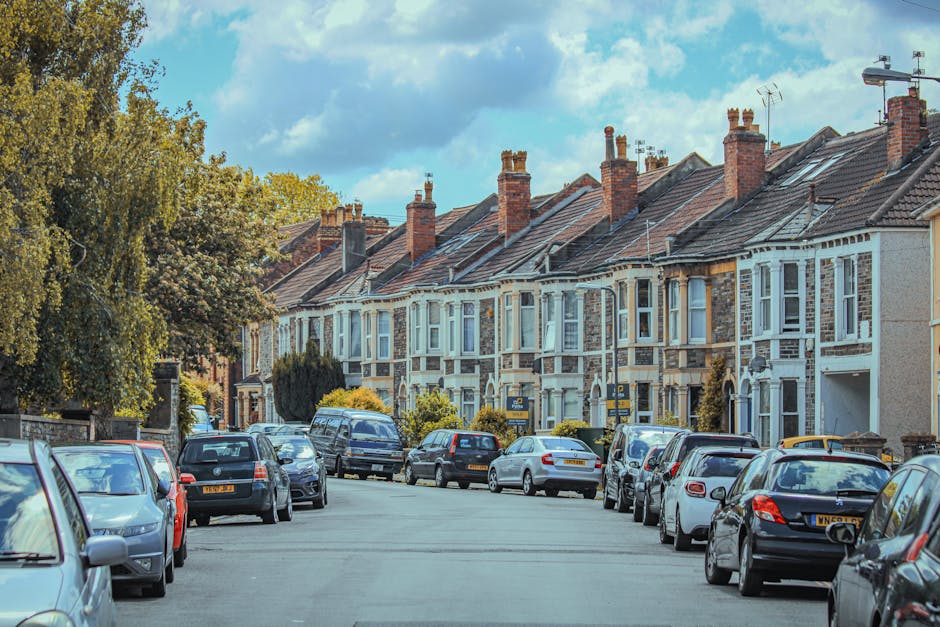
Hillingdon council parking permits for Northwood house removals: a practical guide for a smoother moving day
If you are arranging a move in Northwood, parking can become the thing that quietly turns a simple removal into a stressful one. Hillingdon council parking permits for Northwood house removals are there to help manage that problem, but the process still needs a bit of planning. A van that cannot stop close to the property means longer carry distances, more time on the clock, and a greater chance of delay. Not ideal when boxes are stacked in the hallway and everyone is looking at the front door.
This guide breaks the topic down in plain English. You will learn why the permit matters, how it usually fits into a house move, what to ask your removal company, and which mistakes can make a busy moving morning feel even busier. We will also cover best practice for Northwood roads, access issues near residential streets, and a few sensible ways to reduce friction before the van even turns up.
Contents
- Why Hillingdon council parking permits for Northwood house removals Matters
- How Hillingdon council parking permits for Northwood house removals Works
- Key Benefits and Practical Advantages
- Who This Is For and When It Makes Sense
- Step-by-Step Guidance
- Expert Tips for Better Results
- Common Mistakes to Avoid
- Tools, Resources and Recommendations
- Law, Compliance, Standards, or Best Practice
- Options, Methods, or Comparison Table
- Case Study or Real-World Example
- Practical Checklist
- Conclusion
- Frequently Asked Questions
Why Hillingdon council parking permits for Northwood house removals Matters
On moving day, parking is not a small detail. It shapes the whole rhythm of the job. If the removal van can park close to the property, furniture can be loaded efficiently, fragile items stay under control, and the crew spends less time walking back and forth across pavements, kerbs, and front gardens. If the van has to park several houses away, everything slows down.
In Northwood, this can matter even more than people expect. Some streets have tighter bays, limited waiting space, school-run traffic, and the kind of residential parking pressure that is easy to underestimate if you have not moved recently. A permit, suspension, or other parking arrangement may be the difference between a calm start and a frantic one. To be fair, most people only notice this once the sofa is already at the doorway.
The real issue is not just convenience. Parking arrangements can influence safety, timing, and even costs. A longer carrying distance increases the chance of bumps, scuffs, and avoidable strain. It can also mean your move runs later than planned, which is awkward if you have access deadlines or a chain of other people waiting. For that reason, Hillingdon council parking permits for Northwood house removals are best thought of as part of the move plan, not an afterthought.
If you are preparing a bigger relocation, it also helps to plan your packing early. Our guide to organising your move with a proper packing plan is a useful companion piece, especially if you want fewer last-minute surprises.
How Hillingdon council parking permits for Northwood house removals Works
The exact process can vary depending on the street, the type of bay or restriction involved, and the timing of your move. That is one reason people should not assume a permit is automatic. In practice, the council side of the arrangement is usually about making sure the removal van can stop legally and without blocking access for neighbours, buses, or emergency vehicles.
For a home removal, the usual questions are simple but important: is the road controlled, are there marked bays, are there time-limited restrictions, and is a suspension or permission needed for the removal vehicle to stand close to the property? If the answer is yes, you generally need to sort that early. Waiting until the day before, or worse the morning of the move, is where things get messy.
Removal companies often build this into their move planning, but not always in the same way. Some will ask for the address and the moving date, then advise on parking risk. Others may handle more of the administrative side, especially if they are used to Northwood streets and know where bottlenecks tend to happen. Either way, you want clarity before the lorry or van is loaded.
Good practice is to think through three layers:
- Location access - where the van can safely and legally stop.
- Move timing - whether the road is busier at certain hours.
- Equipment and crew flow - how the team will carry items from the door to the vehicle.
That last one matters more than people think. A permit is not only about parking. It affects the whole movement pattern on the day. If you have awkward items such as wardrobes, a piano, or a bulky sofa, the closer parking gets, the easier the handover becomes. Our page on furniture removals in Northwood also shows why access planning is worth doing properly.
Key Benefits and Practical Advantages
There are several reasons to treat parking arrangements as part of the removal strategy rather than a paperwork task.
- Less carrying distance. This reduces fatigue, speeds up loading, and lowers the chance of damage.
- Cleaner timekeeping. If the van is nearby, the schedule is easier to control.
- Better safety. Fewer long carries mean less risk on stairs, kerbs, and narrow entrances.
- More predictable cost. Delays often lead to extra time, and extra time is rarely welcome on moving day.
- Less stress for the household. You will notice the difference, honestly. There is a calmer feel when the truck is where it should be.
There is also a practical knock-on effect for the rest of the move. A well-managed parking setup lets the crew focus on careful lifting and protection rather than juggling around obstacles. That can be especially helpful if you are working with a same-day move, where timings are already tight. If that sounds like your situation, have a look at same-day removals for the kind of planning that matters when the clock is working against you.
Expert summary: the best parking plan is the one you hardly notice on the day. If nobody is hunting for a space, nobody is carrying a sofa half a street, and nobody is apologising to the neighbour in the cul-de-sac, you are probably in good shape.
Who This Is For and When It Makes Sense
Not every Northwood move needs the same level of parking planning, but several groups should pay close attention.
- House movers on restricted roads where parking is already tight.
- Families moving larger homes with more furniture and more loading time.
- Flat movers where access is already awkward and every minute counts.
- People moving near busy routes or local centres where traffic and stopping space are limited.
- Anyone booking a removal van for a specific window and wanting to avoid delays.
It is also sensible if you are moving specialist items. A piano, for instance, is not something you want to haul much further than necessary. The same goes for a freezer, a heavy wardrobe, or a large sofa that has to be turned carefully through a narrow entrance. If you are moving a piano, our page on piano removals in Northwood explains why access planning and safe handling go hand in hand.
There is a fairly simple rule of thumb: if the van would struggle to stop legally and safely outside the property, parking needs attention early in the process. If you are unsure, ask before the move rather than hoping it will all work out. Hope is not a parking strategy. Unfortunately.
Step-by-Step Guidance
Here is a practical way to approach Hillingdon council parking permits for Northwood house removals without overcomplicating it.
- Check the street conditions. Look at the road outside the property and note whether there are marked bays, yellow lines, resident-only spaces, or obvious pressure from nearby homes.
- Confirm the move date and time. A weekday morning can feel very different from a Saturday afternoon. Timing matters more than most people expect.
- Ask the removal team early. Tell them the address, access issues, and any nearby restrictions you already know about.
- Decide who handles the permit side. Sometimes the customer does it, sometimes the removals company helps coordinate. What matters is that one person owns the task.
- Prepare loading space inside the property. Keep the hallway clear, protect floors, and group items by room. That reduces the time spent outside waiting around.
- Arrange contact details on the day. If the van has to park slightly further away, the driver and the household should be able to speak quickly.
- Do a final check the day before. Look at parking signs, roadworks, and anything that might affect the agreed arrangement. Small changes happen, and they are easy to miss.
A sensible move plan is never just about the permit itself. It is about making sure the permit, the van, the property, and the timing all line up. That is the bit that saves the day.
If your move is still in the early planning stage, our services overview is a useful place to understand the support available before you lock in the moving date.
Expert Tips for Better Results
After enough removals, the same patterns show up again and again. A few small choices make the parking side much easier.
- Book access planning at the same time as the move. Don't leave it hanging.
- Share photos of the street if possible. One quick picture can explain more than three paragraphs of guesswork.
- Keep the front path clear. Even a good parking setup gets clumsy if bins, bikes, or planters block the route.
- Have keys ready early. A van parked well is still useless if the team is waiting outside the door.
- Plan for weather. Wet pavements, light drizzle, or a chilly morning can slow things down a bit. Not a disaster, just something to allow for.
- Choose the right vehicle size. A smaller van can sometimes be easier in Northwood streets, even if it means a second load. That depends on the job, of course.
One thing we often see is people focusing on the van and forgetting the loading point at the front of the house. If the pavement is narrow or the drive slopes badly, those details matter. They sound tiny. They are not tiny on moving day.
For a calmer overall move, it may also help to read how to achieve a calm and organised house moving experience. It fits neatly with the same mindset: prepare early, reduce friction, keep the day simple.
Common Mistakes to Avoid
Parking and permits create trouble mostly when people assume the obvious will happen automatically. It rarely does.
- Leaving the permit too late. This is the classic one. The move is booked, the boxes are ready, and then parking becomes a scramble.
- Assuming the van can stop anywhere. A road may look open, but restrictions may still apply.
- Not telling the removals team about access issues. A long carry or tricky entrance changes the whole plan.
- Forgetting nearby events or roadworks. Even local disruptions can nudge a smooth move off course.
- Ignoring neighbours and shared spaces. A small bit of consideration avoids awkwardness. Nobody wants a tense start to the day.
- Not checking whether loading is allowed in the chosen spot. This is where people often get caught out.
There is also a quieter mistake: underestimating how much the parking issue affects the rest of the move. If the van is stuck farther away, packing, lifting, and timing all become less efficient. That can feed into hidden charges or extra labour time, so it really is worth sorting. Our article on avoiding hidden removals charges in Northwood touches on that wider cost picture.
Tools, Resources and Recommendations
You do not need a huge toolkit, but a few practical items and bits of information make the process smoother.
- Photos of the street and frontage. Useful for planning access and estimating where the van may stand.
- A written move schedule. Keeps everyone aligned on time windows and loading order.
- Room labels and box markers. Saves the crew from guesswork and helps protect the flow of the day.
- Floor coverings and door protectors. A sensible addition when furniture will be moved in and out repeatedly.
- Clear communication with the removals team. Simple, but very effective.
If you need packing support, the page on packing and boxes in Northwood can help you think about the job in a more organised way. And if you want to prepare the actual items neatly before the van arrives, there is also package your items and wait for us to come, which suits people who prefer a straightforward, hands-off arrangement.
For local timing and delivery coordination, we will deliver at the best time for you is a useful reminder that good moving day planning is as much about timing as transport.
Law, Compliance, Standards, or Best Practice
For parking and road use, the key thing is to follow the applicable local restrictions and any instructions tied to the street or loading area. That sounds obvious, but in practice it means checking the signs, respecting bay rules, and not treating the removal van like a personal convenience spot. Councils manage parking to balance resident access, road safety, and traffic flow, so the aim is to work within that framework rather than around it.
From a removals perspective, best practice is to plan access in advance, document any parking restrictions you expect, and make sure everyone involved knows who is responsible for what. If a removal crew is lifting heavy items, safe access is part of health and safety, not just logistics. That is why good operators usually build parking checks into their wider risk management.
There is a practical standard here even if you never read a policy document: move the items safely, minimise unnecessary carrying distance, and keep the route clear. That reduces avoidable strain and helps prevent damage. It also fits with the broader approach you would expect from a professional team working in a busy residential area like Northwood.
Where uncertainty exists, it is better to pause and confirm than to improvise. A short delay while checking parking is a lot better than a blocked road, a frustrated neighbour, or a van having to move mid-load. Not glamorous, but that is the reality of it.
Options, Methods, or Comparison Table
There are a few ways to handle parking on a Northwood house move. The right choice depends on the street, the size of the move, and how much access pressure there is.
| Approach | Best for | Strengths | Watch-outs |
|---|---|---|---|
| Advance parking arrangement | Busy streets, larger house moves | More control, fewer surprises, better efficiency | Needs early planning and clear responsibility |
| Street-by-street on-the-day parking | Quieter roads, flexible timings | Quick to attempt, less admin | Can fail if bays are taken or restrictions apply |
| Smaller vehicle with closer turn access | Tight Northwood roads and narrow approaches | Easier positioning, sometimes better manoeuvrability | May require extra trips if the move is large |
| Remote parking and longer carry | Limited-space streets where no close stop is available | Can still make the move possible | Slower, more tiring, and more risk of delay |
In many Northwood moves, the best option is not the flashiest one. It is the one that keeps the day predictable. If the property has awkward access, you may also find our article on Northwood High Street house removals and tight access tips especially relevant.
Case Study or Real-World Example
Picture a typical Northwood house move on a weekday morning. The property is in a residential road where parking is already busy, and the family has packed most of the kitchen, a set of bedroom furniture, and a couple of awkward items that need careful handling. At first glance, the street looks manageable. Then the reality appears: one bay is full, another has a time restriction, and a neighbour's car is sitting exactly where the van would have been ideal.
Without a parking plan, the removal team would have had to park further down the road and carry everything longer than expected. That would have meant slower loading, more trips, and a more tiring job all round. Instead, the move was handled with parking considered early, so the team knew what to expect and could stage the loading more efficiently. The household stayed calmer because they were not watching the van drift around looking for a space. Simple, but it made the whole day better.
The interesting part is how often this happens. The move itself is rarely the real problem. It is the setup around the move. A little planning around permits, access, and timing can remove a lot of the friction before it starts. That is especially true when the road feels a bit busier than it looked in the first five minutes of your site visit.
For more local context on timing and movement near busy areas, take a look at Northwood Tube Station removals parking and timing advice. The principles are similar: plan for traffic, parking, and the real world, not the neat version of it.
Practical Checklist
Use this before moving day. It is simple, but it catches a lot of avoidable issues.
- Confirm the moving date, arrival window, and contact person.
- Check whether the road has parking restrictions, bays, or loading limits.
- Tell the removals team about narrow roads, shared drives, or awkward access.
- Make sure the front path, driveway, and hallway are clear.
- Label fragile and high-priority items clearly.
- Keep keys, phone, and basic paperwork easy to reach.
- Have a backup plan if the closest parking space is unavailable.
- Protect floors and door frames before heavy items start moving.
- Double-check the plan the day before, not on the morning itself.
- Allow a little extra time if the street is known to get busy.
If you are still sorting the broader removal plan, it can help to compare options such as man and van Northwood, house removals in Northwood, and removal services in Northwood so you can choose the level of support that fits your move.
Conclusion
Hillingdon council parking permits for Northwood house removals may sound like a small admin task, but they can shape the entire moving day. If the van can stop sensibly near the property, your team works faster, the load is safer, and the day feels much more under control. If parking is left to chance, everything tends to feel heavier than it should.
The best approach is usually the calm one: check access early, ask the right questions, and make sure the parking plan is part of the move plan from the beginning. That is where the real value is. Not in overthinking, just in preparing well enough that the day can unfold without unnecessary drama.
And honestly, that is what most people want from a house move. A clear path, a steady pace, and a finish line that feels manageable rather than chaotic. A bit of planning goes a long way.
Get a free quote today and see how much you can save.
Frequently Asked Questions
Do I always need a parking permit for a Northwood house removal?
Not always. It depends on the street, the existing restrictions, and whether the removal vehicle can legally stop close to the property. Some moves are straightforward; others need extra planning.
Who usually arranges Hillingdon council parking permits for house removals?
That can vary. Sometimes the customer handles it, sometimes the removal company helps coordinate it, and sometimes both sides share the task. The important thing is that somebody owns it early.
How far in advance should I think about parking for a move?
As early as possible. If your street is busy or restricted, do not wait until the week of the move. Earlier planning gives you time to deal with changes without panic.
What happens if the van cannot park right outside my house?
The move can still go ahead, but it may take longer and involve longer carrying distances. That can affect timing, effort, and sometimes cost, so it is better to avoid that situation if you can.
Can narrow Northwood roads affect the type of van used?
Yes, they can. In some cases a smaller or more manoeuvrable vehicle is easier to manage than a larger one, especially where access is tight or parking is awkward.
Is parking planning important for flat removals as well as house removals?
Absolutely. In fact, it can be even more important for flats if stairs, lifts, loading areas, or shared entrances make the process more sensitive to timing.
What details should I give the removals team about parking?
Tell them the address, any restrictions you have seen, whether bays are marked, if the road is usually busy, and whether there are access issues such as a shared drive or tight frontage.
Will a permit make the move faster?
Usually, yes. If the van can stop nearer to the property, the loading and unloading process becomes more efficient. It does not remove every delay, but it helps a lot.
Are parking issues a common cause of delays?
Yes, they are one of the most common avoidable issues. They are easy to overlook, and once the moving crew arrives, any parking problem tends to become everyone's problem very quickly.
What if roadworks or a neighbour's car blocks the planned parking space?
Have a backup plan. A good removals team will adapt, but a backup option saves time and reduces stress. It is one of those small things that feels minor until it matters.
Can parking arrangements affect the price of my move?
They can, indirectly. If the crew has to carry items a longer distance or spend more time manoeuvring, the job may take longer. That is why parking planning is worth doing even when no one asks about it.
How do I make the moving day feel less stressful overall?
Keep the parking plan simple, pack early, label clearly, and make sure everyone knows the time window. A calm move is usually built from a lot of small sensible choices rather than one big fix.